


On July 17, 2025, the 42nd Jerusalem Film Festival commenced with a poignant and polarizing moment as Israeli actress Gal Gadot, renowned for her role as Wonder Woman, delivered a tearful speech that transformed the event into a platform for her political views.
Held in Jerusalem, the festival, a significant celebration of Israeli and international cinema, became the backdrop for Gadot’s emotional plea for the safe return of hostages held in Gaza and an end to the ongoing war.
However, her remarks, which also touched on Israel’s broader struggles, ignited a firestorm of criticism, with some labeling her speech as tone-deaf amid the humanitarian crisis in Gaza.
In this article, we will delve into the details of Gadot’s speech, the context of the festival, the polarized reactions, and the broader implications of her statements.
A Star-Studded Opening with a Political Undertone
The Jerusalem Film Festival, now in its 42nd year, is a cornerstone of Israel’s cultural landscape, showcasing a diverse array of films while honoring cinematic excellence.
This year’s opening ceremony, held on July 17, 2025, was marked by the presence of Gal Gadot, an Israeli-born Hollywood star whose global fame has made her a prominent voice for her homeland.
As the guest of honor, Gadot took the stage wearing a yellow Hostages’ Pin, a symbol associated with the campaign to free Israeli hostages held in Gaza following the escalation of conflict sparked by Hamas’ October 7 attack.
In her speech, Gadot expressed profound grief over the ongoing war, breaking down in tears as she called for the “safe return of all the hostages” and an end to the hostilities in Gaza.
“I pray this war will end,” she declared, emphasizing Israel’s resilience and the need to bring home those still held captive. Her remarks were framed as a heartfelt plea for peace, reflecting the emotional toll of the conflict on Israeli society.
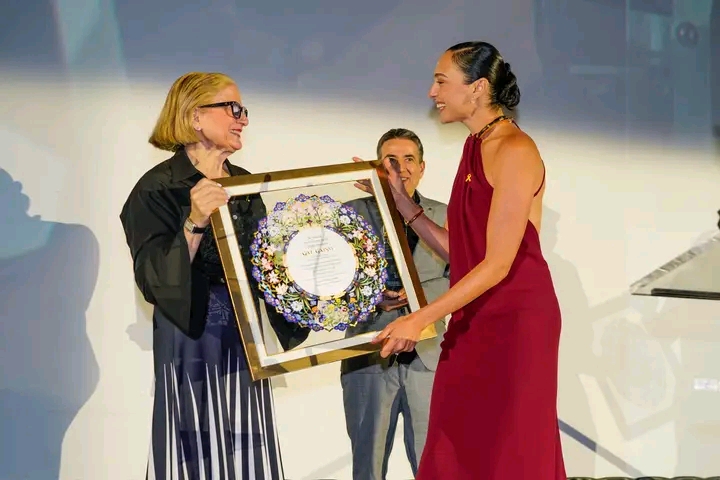
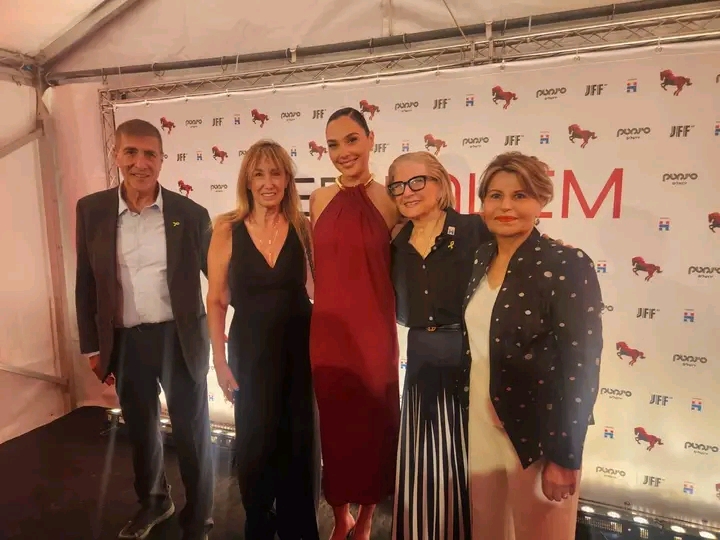
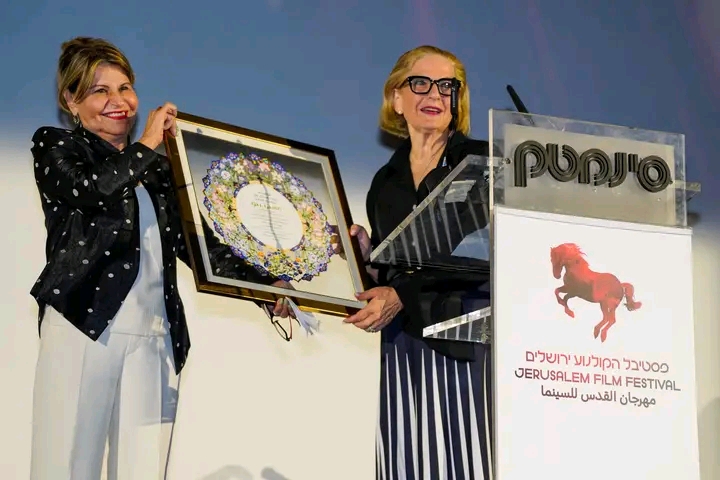
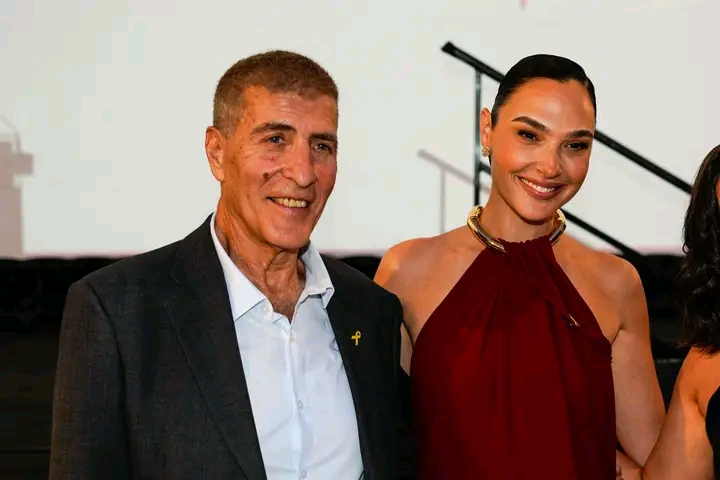
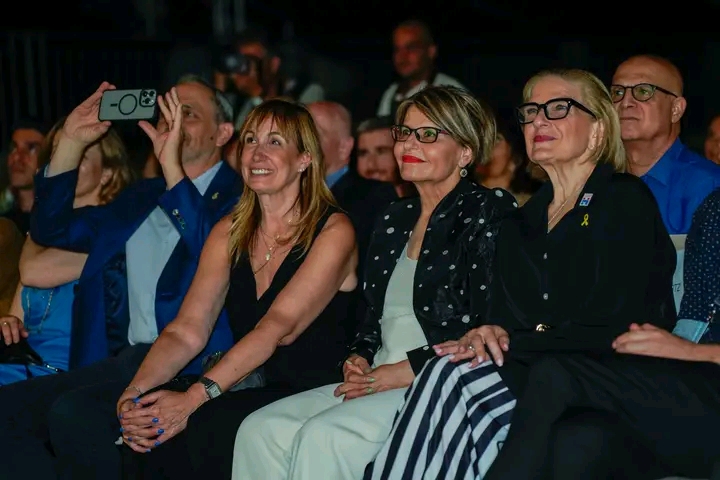
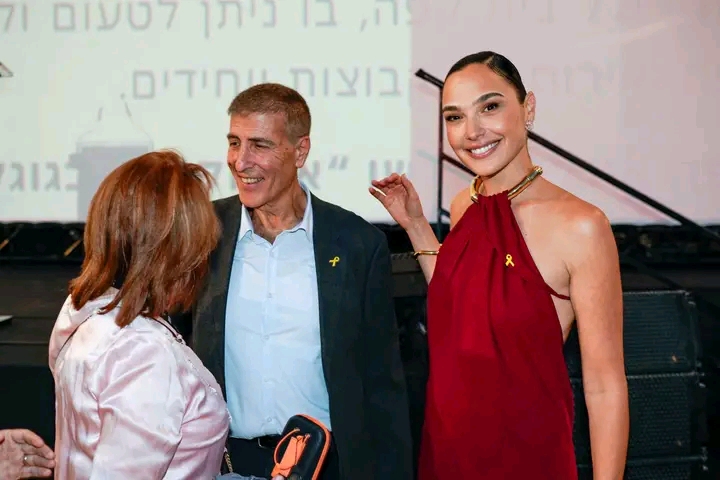
Gadot also highlighted the festival’s role in showcasing Israeli cinema, underscoring the importance of cultural expression during times of crisis.
Context of the Jerusalem Film Festival
The Jerusalem Film Festival, established in 1984, is one of Israel’s most prestigious cultural events, drawing filmmakers, actors, and audiences from around the world.
Despite regional tensions, including the ongoing Gaza conflict, organizers chose to proceed with the 2025 edition, signaling a commitment to resilience through art.
The festival featured a curated selection of films, with a special focus on Israeli productions, and included tributes to cinematic achievements amid a challenging socio-political climate.
Gadot’s participation was a highlight, given her status as a global ambassador for Israeli culture, but her speech shifted the focus from celebration to controversy.
A Polarized Response to Gadot’s Speech
While Gadot’s speech resonated with some attendees and supporters who praised her for highlighting the plight of hostages and Israel’s challenges, it drew sharp criticism from others who viewed it as insensitive to the humanitarian crisis in Gaza.
Social media platforms, particularly X, buzzed with reactions, reflecting a deeply divided sentiment. Supporters, such as the account @JewishLifeNow, lauded Gadot for reminding the world of “what Israel is fighting for” and her call to “bring them home,” framing her speech as a courageous stand in a time of grief.
Conversely, critics, including voices on X and in media reports, slammed Gadot’s remarks as tone-deaf, arguing that they failed to acknowledge the scale of suffering in Gaza, where thousands of Palestinian civilians have faced displacement, injury, and loss of life due to the ongoing conflict.
Roya News, a Jordan-based outlet, reported that Gadot’s speech was perceived by some as prioritizing Israeli narratives while overlooking the broader context of what they described as a “genocide” in Gaza. The article highlighted the backlash, noting that her comments were seen as out of touch with the realities faced by Palestinians.
This criticism is not new for Gadot, who has faced scrutiny for her public statements on the Israel-Palestine conflict in the past.
Her 2021 social media post expressing solidarity with Israel during a period of heightened violence drew similar accusations of bias, given her silence on Palestinian casualties.
The 2025 speech reignited these debates, with detractors arguing that her platform as a global celebrity amplifies a one-sided perspective, while supporters contend that her focus on hostages reflects a legitimate humanitarian concern.
The Broader Context: Gaza and the Hostage Crisis
Gadot’s speech comes at a time when the Israel-Gaza conflict remains a deeply divisive issue. The war, intensified by Hamas’ October 7, 2023, attack on Israel, has led to significant loss of life on both sides, with thousands of Palestinians and Israelis affected.
The hostage crisis, in particular, has been a focal point of Israeli advocacy, with over 100 individuals still held in Gaza as of July 2025.
Meanwhile, ceasefire negotiations, as reported by Roya News, have faced significant hurdles, with disputes over Israeli troop deployments and prisoner exchanges stalling progress.
The humanitarian situation in Gaza has drawn global attention, with reports of widespread destruction, limited access to food and medical supplies, and a mounting death toll.
Critics of Gadot’s speech argue that her failure to address these realities risks alienating those who see the conflict as disproportionately affecting Palestinians.
Her supporters, however, view her focus on hostages as a necessary call to action, given the emotional weight of the issue in Israel.
Gadot’s Role as a Cultural and Political Figure
Gal Gadot’s rise to fame, from her early days in Israel to her starring roles in blockbuster films like Wonder Woman and Fast & Furious, has made her a cultural icon.
Born in Petah Tikva, Israel, and having served in the Israeli Defense Forces, Gadot has often spoken proudly of her heritage. Her global platform, however, places her in a complex position, where her statements on Israel-related issues are scrutinized by diverse audiences.
Her speech at the Jerusalem Film Festival underscores this duality: while she sought to honor Israeli cinema and advocate for hostages, her words were interpreted by some as reinforcing a narrative that sidelines Palestinian suffering.
The controversy also highlights the challenges faced by public figures navigating politically charged issues.
Gadot’s emotional delivery, coupled with her visible distress, humanized her plea for many, but the polarized reactions reflect the broader divisions surrounding the Israel-Palestine conflict.
As one X user noted, her speech was a reminder of the “unbearable waiting” faced by families of hostages, yet others felt it ignored the larger humanitarian crisis.
Roya News and the Regional Media Landscape
The article from Roya News, which described Gadot’s speech as tone-deaf, reflects the perspective of a Jordan-based outlet known for its coverage of regional issues, including the Israel-Palestine conflict.
Roya News, part of the Roya Media Group, has established itself as a significant voice in Arab media, with a focus on delivering news from Jordan, Palestine, and beyond.
The outlet’s critique of Gadot aligns with its editorial stance, which often emphasizes Palestinian perspectives and has been described as anti-Zionist in its reporting.
Founded in 2011, Roya Media Group operates multiple platforms, including Roya TV and Roya News English, reaching millions of viewers and readers across the Arab world. Its coverage of Gadot’s speech, published on July 19, 2025, garnered attention for its sharp critique, framing her remarks within the context of the Gaza crisis.
This perspective contrasts with Israeli media outlets like Ynet and The Jerusalem Post, which highlighted Gadot’s emotional appeal and her call for peace without delving into the backlash.
Implications for the Jerusalem Film Festival
The controversy surrounding Gadot’s speech has cast a spotlight on the Jerusalem Film Festival itself, raising questions about the role of cultural events in politically fraught times.
By proceeding with the festival despite regional conflicts, organizers aimed to demonstrate resilience, but Gadot’s remarks underscored the difficulty of separating art from politics.
The festival’s decision to honor Gadot, a figure whose political statements have sparked debate, may further polarize audiences, potentially affecting its reputation as an inclusive platform for global cinema.
Wrap-Up: A Speech That Divides
Gal Gadot’s appearance at the 42nd Jerusalem Film Festival was intended to celebrate Israeli cinema and advocate for the release of hostages, but it instead became a lightning rod for controversy.
Her tearful plea for peace and the safe return of those held in Gaza resonated with some, who saw it as a courageous stand amid Israel’s challenges.
Others, however, criticized her for what they perceived as a lack of acknowledgment of the humanitarian toll in Gaza, amplifying long-standing debates about her public stance on the Israel-Palestine conflict.
As the war in Gaza continues and ceasefire talks falter, Gadot’s speech serves as a microcosm of the broader tensions in the region. It highlights the challenges faced by public figures in addressing complex conflicts and the role of cultural platforms in navigating political divides.
Whether viewed as a heartfelt call for peace or a tone-deaf oversight, Gadot’s remarks have sparked a global conversation, underscoring the power and peril of celebrity influence in times of crisis.
Share This Post