


Isiolo, Kenya| In a dramatic escalation of political tensions in Isiolo County, the County Assembly has expelled two nominated Members of County Assembly (MCAs), Fozia Jibril Bore and Amina Omar Enow, following a directive from the United Democratic Movement (UDM) party leadership.
The expulsions, announced on July 14, 2025, have sparked controversy, with allegations of external interference, unfair disciplinary processes, and a deepening leadership crisis within the assembly.
The situation is further complicated by a recent High Court ruling reinstating Abdullahi Jaldesa Banticha as the substantive Speaker, casting doubt on the legitimacy of the assembly’s actions.
UDM’s Disciplinary Action and Allegations of Misconduct
The expulsion of Bore and Enow stems from a formal communication issued by the UDM’s National Executive Committee, citing violations of the party’s constitution and code of conduct.
According to the UDM, the two MCAs engaged in gross misconduct, repeatedly defied party summons, and failed to remit mandatory party contributions.
The decision, enacted under the 2024 UDM Disciplinary Committee Rules, took immediate effect, with the County Assembly Speaker instructed to bar the two MCAs from participating in assembly proceedings.
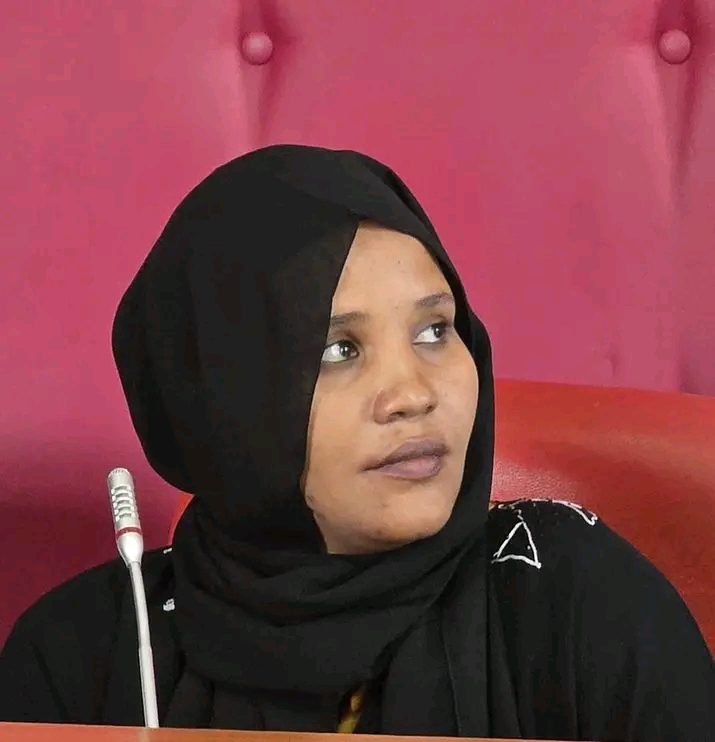
A post on X by @AbdullahiDerow on July 15, 2025, confirmed that the Speaker had read the expulsion letter and ordered the Sergeant-at-Arms to prevent Bore and Enow from accessing the assembly.
The UDM’s move has been interpreted by some as a strategic purge orchestrated by influential party figures from Northern Kenya, particularly Mandera Senator Ali Roba, the UDM party leader, and Marsabit Governor Mohamud Ali (Abshiro), the deputy party leader.
Critics argue that the expulsions are less about party discipline and more about consolidating control over Isiolo’s political landscape, especially in light of the MCAs’ recent reconciliation with Isiolo Governor Abdi Ibrahim Guyo.
Political Context: Reconciliation with Governor Guyo
Sources close to the expelled MCAs claim that their only “offense” was following Senate Speaker Amason Kingi’s directive to mend ties with Governor Guyo.
The governor had faced an impeachment attempt on June 26, 2025, supported by 16 out of 18 MCAs, but the High Court in Meru declared the process null and void due to a prior conservatory order.
Senate Speaker Kingi, in dismissing the impeachment motion, urged Guyo to resolve internal conflicts within the county leadership, warning that ongoing disputes could destabilize Isiolo’s governance.
Bore and Enow’s reconciliation with Guyo, seen as a step toward stabilizing the county, has reportedly drawn the ire of UDM leaders who may view the governor’s strengthened position as a threat to their influence.
Political analysts suggest that the expulsions reflect a broader power struggle within UDM, with Roba and Abshiro leveraging the party’s dominance in the Isiolo County Assembly to sideline dissenting voices.
This has led to accusations that UDM is “weaponizing” its membership numbers to enforce loyalty and suppress reconciliation efforts.
Legal Challenges and Claims of Unfair Treatment
The expelled MCAs have vowed to challenge their ouster in court, alleging that the UDM failed to provide them with a fair hearing.
A source close to Bore and Enow told ICBNews, “We are in a country guided by the constitution, and such unilateral, haphazard actions by a few officials cannot go unchallenged.”
The source emphasized that the disciplinary process lacked transparency and due process, raising questions about the legitimacy of the expulsions.

The MCAs are reportedly preparing to file a petition to contest the UDM’s decision, potentially escalating the matter to the High Court.
This legal challenge adds another layer to the ongoing judicial battles surrounding the Isiolo County Assembly’s leadership.
On July 14, 2025, just hours after a sitting chaired by former Speaker Mohamed Roba Qoto, the High Court reaffirmed Abdullahi Jaldesa Banticha as the substantive Speaker, nullifying any decisions made during Roba’s session, including the expulsion proceedings.
Justice Hellen Wasilwa of the Employment and Labour Relations Court issued conservatory orders barring attempts to degazette or remove Banticha, pending a full hearing scheduled for July 17, 2025.
Banticha, who replaced Roba on June 26, 2025, following a contentious gazette notice, has pledged to resume house business immediately, asserting his authority despite the assembly’s internal divisions.
Leadership Crisis and a Divided Assembly
The Isiolo County Assembly is grappling with an unprecedented leadership crisis, marked by the existence of two rival Speakers and two competing clerks, each claiming legitimacy.
This dual-structure scenario, likened to a similar situation in Nyamira County, has paralyzed the assembly’s operations and deepened political polarization.
The reinstatement of Banticha followed a tumultuous period during which Roba presided over the failed impeachment attempt against Governor Guyo, leading to his own removal as Speaker on June 26, 2025.
The assembly’s clerk, Salad Guracha, who gazetted Banticha’s appointment, had previously been suspended by Roba but was reinstated through a court ruling, further complicating the leadership matrix.
Isiolo Senator Fatuma Dullo criticized Banticha’s election, alleging that it was conducted by only two MCAs, raising serious questions about its legality.
The ongoing disputes have drawn significant attention, with residents and observers expressing concern over the assembly’s ability to deliver on its legislative and oversight mandates.
Broader Implications for Isiolo’s Governance
The expulsions and the ensuing legal battles underscore the fragility of devolved governance in Isiolo County.
The county has been plagued by political infighting, violent protests, and allegations of administrative and financial mismanagement.
During the impeachment saga, the assembly’s Hansard system was vandalized, and MCAs faced intimidation, forcing them to operate from secure locations.
These disruptions have hindered the assembly’s ability to address pressing developmental issues, leaving Isiolo residents anxious for a resolution that restores stability and accountability.
The involvement of high-profile UDM leaders like Ali Roba and Mohamud Ali has also fueled speculation about external influences shaping Isiolo’s politics.
Roba, a prominent figure in Northern Kenya’s political landscape, has been a polarizing figure, particularly after leading UDM’s shift from the Azimio coalition to Kenya Kwanza in 2022.
His influence, alongside Abshiro’s, has raised concerns about the centralization of power within UDM and its impact on local governance.
What Lies Ahead?
As the July 17, 2025, court hearing approaches, all eyes are on the judiciary to provide clarity on the leadership wrangles and the legitimacy of the MCAs’ expulsions.
The outcome of Banticha’s petition against the Government Press and the State Law Office could set a precedent for resolving similar disputes in other counties.
Meanwhile, Bore and Enow’s planned legal challenge will test the judiciary’s role in upholding constitutional principles of fairness and due process.
For Isiolo residents, the ongoing crisis represents a critical juncture. The county’s development agenda hangs in the balance as political factions vie for control.
Governor Guyo, who has expressed confidence in Banticha’s leadership, has called for unity and inclusivity in the assembly’s operations.
However, with deep-seated divisions and external pressures at play, achieving stability will require more than judicial interventions—it will demand genuine dialogue and reconciliation among Isiolo’s leaders.
Epilogue
The expulsion of Fozia Jibril Bore and Amina Omar Enow from the Isiolo County Assembly has thrust the county into a new phase of political uncertainty.
Allegations of external interference, coupled with a leadership crisis and impending legal battles, have exposed the complexities of devolved governance in Isiolo.
As the county awaits the High Court’s ruling on July 17, 2025, the resolution of these disputes will be crucial in restoring public trust and ensuring that the assembly can fulfill its mandate to serve the people of Isiolo.
For now, the political drama in Isiolo shows no signs of abating, leaving residents and observers watching anxiously for what comes next.
Share This Post