

Israel’s military is confronting a critical shortage of munitions, including vital missile interceptors and armored vehicles, as tensions between the Finance Ministry and Defense Ministry escalate over funding for ongoing operations in Gaza and recent hostilities with Iran.
The dispute, reported on June 29, 2025, has raised serious concerns about Israel’s defense readiness, particularly in the wake of a 12-day conflict with Iran that depleted significant resources, including Arrow missile interceptors.
This article explores the funding crisis, its implications for national security, and the broader geopolitical and economic context.
A Dire Munitions Shortage Amid Regional Tensions
Israel’s defense capabilities are under strain as the Israeli Defense Forces (IDF) struggle to replenish essential munitions required for both offensive and defensive operations.
The Arrow missile defense system, a cornerstone of Israel’s multilayered defense architecture, is critically low on interceptors following extensive use during recent military engagements.
The system, developed in collaboration with the United States, is designed to counter long-range ballistic missile threats, making it indispensable in the face of potential attacks from adversaries like Iran and its proxies.
In addition to missile interceptors, the IDF faces shortages of armored vehicles and other logistical assets needed to support ground operations in Gaza.
These shortages come at a time of heightened regional volatility, with Israel engaged in ongoing military operations in Gaza and recovering from a costly 12-day war with Iran.
The depletion of resources has sparked alarm among military officials, who warn that the current shortfall could compromise Israel’s ability to respond effectively to future threats.
The Iran Conflict: A Strain on Resources
The recent conflict with Iran, which concluded in June 2025, placed unprecedented demands on Israel’s defense resources. During the 12-day war, the Israeli and U.S. militaries expended significant quantities of munitions, including Arrow missile interceptors.
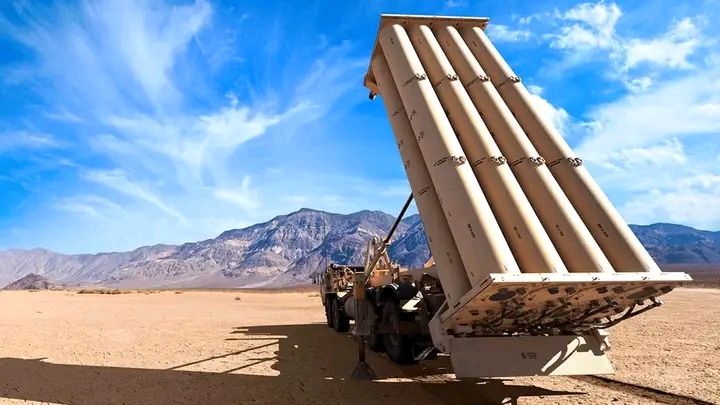
Reports indicate that the U.S. used nearly 20 percent of its global stockpile of Terminal High Altitude Area Defense (THAAD) interceptors to support Israel’s defense efforts, highlighting the intensity of the conflict and the scale of resources required.
The war, which was not accounted for in Israel’s 2025 defense budget, has left the IDF in urgent need of replenishment. The Defense Ministry has requested an additional 60 billion shekels ($17.7 billion) to cover the costs of the Iran conflict and ongoing operations in Gaza.
This funding would support the procurement of critical munitions, including Arrow interceptors, as well as vehicles and other equipment needed for ground forces.
However, the Finance Ministry has rejected the request, citing budgetary constraints and the need for fiscal discipline.
The Funding Dispute: Defense vs. Fiscal Responsibility
The clash between the Defense Ministry and Finance Ministry underscores a broader tension between Israel’s national security imperatives and its economic challenges.
The Finance Ministry’s refusal to approve the additional 60 billion shekels has delayed the acquisition of essential defense assets, raising questions about the government’s ability to balance immediate security needs with long-term economic stability.
Israeli media reports indicate that the Finance Ministry is grappling with competing demands on the national budget, including rising costs of living, inflation, and investments in civilian sectors such as healthcare and infrastructure.
The ministry’s decision reflects a cautious approach to public spending, particularly in light of the economic fallout from prolonged conflicts.
However, critics argue that prioritizing fiscal restraint over defense funding risks undermining Israel’s security at a critical juncture.
The Defense Ministry, on the other hand, has emphasized the urgency of addressing the munitions shortage.
Military officials have warned that the lack of Arrow interceptors could leave Israel vulnerable to missile attacks, particularly in the event of renewed hostilities with Iran or its regional allies, such as Hezbollah.
Similarly, the shortage of armored vehicles could hamper operations in Gaza, where troops rely on mobility and protection to navigate high-risk environments.
Political and Public Ramifications
The funding dispute has intensified political divisions within Israel, with opposition leaders criticizing the government’s handling of defense priorities.
Prime Minister Benjamin Netanyahu’s administration is under pressure to resolve the standoff and ensure that the IDF remains adequately equipped.
Public opinion is divided, with some citizens expressing concern over the potential risks of underfunding the military, while others demand greater transparency in defense spending and accountability for budgetary decisions.
The controversy also highlights the challenges of sustaining Israel’s defense capabilities in a resource-constrained environment.
The IDF’s reliance on advanced systems like the Arrow missile defense system requires significant investment, and any delays in procurement could erode Israel’s technological and operational edge.
Regional and International Implications
The munitions shortage and funding dispute come at a precarious time for Israel’s regional security posture.
The 12-day war with Iran has heightened tensions with Tehran and its allies, raising the specter of a second round of fighting.
The depletion of Arrow interceptors and other critical munitions underscores the need for rapid replenishment to maintain deterrence against potential missile threats.
Israel’s defense partnership with the United States, a key ally, has also been spotlighted by the crisis.
The U.S.’s significant contribution of THAAD interceptors during the Iran conflict underscores the importance of bilateral cooperation.
However, delays in Israel’s ability to fund its share of defense programs could strain this partnership and complicate joint initiatives like the Arrow system.
Potential Solutions and Next Steps
To address the crisis, the Israeli government faces several options. The Finance Ministry could reconsider its stance and approve emergency funding, potentially through a supplemental budget or reallocation of existing resources.
Alternatively, the Defense Ministry may need to prioritize certain acquisitions, focusing on immediate needs like Arrow interceptors while deferring less urgent programs.
External support could also play a role. Israel may seek additional assistance from the U.S., which has historically provided substantial military aid.
However, reliance on foreign funding raises concerns about long-term sustainability and sovereignty. Diplomatic efforts to secure international partnerships or expedite munitions deliveries could help bridge the gap in the short term.
Ultimately, resolving the funding dispute will require close coordination between the Finance and Defense Ministries, as well as transparent communication with the public.
Ensuring that Israel’s military remains equipped to address both current and emerging threats will be critical to maintaining national security.
What Next?
Israel’s military is at a crossroads as it grapples with a severe shortage of missile interceptors and armored vehicles, exacerbated by a funding dispute between the Finance and Defense Ministries.
The depletion of resources during the recent war with Iran and ongoing operations in Gaza has exposed vulnerabilities in Israel’s defense readiness, raising concerns about its ability to counter future threats.
As the government navigates the delicate balance between fiscal responsibility and national security, the outcome of this dispute will have far-reaching implications for Israel’s military capabilities and regional stability.
Share This Post