
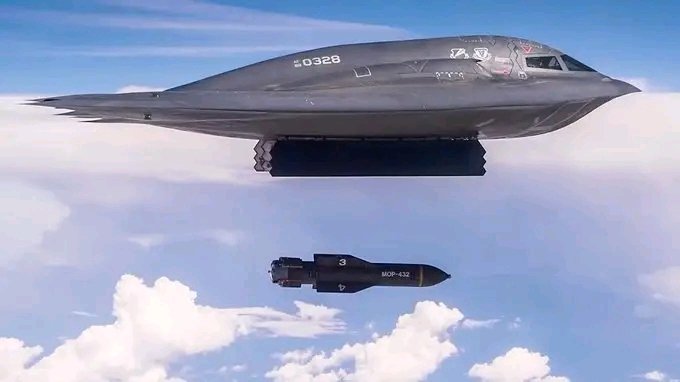

In a bold and controversial move, the United States, under President Donald Trump, executed precision strikes on three key Iranian nuclear facilities—Natanz, Fordow, and Isfahan—igniting a complex web of geopolitical ramifications and eliciting varied global reactions.
These strikes, targeting the heart of Iran’s nuclear program, have raised questions about their efficacy, long-term consequences, and the broader implications for international security, particularly in relation to Iran’s nuclear ambitions, regional stability, and potential ripple effects on global powers like China.
This analysis delves into the details of the strikes, their immediate and potential impacts, and the evolving diplomatic landscape.
The Targets: Iran’s Nuclear Infrastructure
The U.S. strikes focused on three critical sites integral to Iran’s nuclear program:
- Natanz: Iran’s primary uranium enrichment facility, Natanz is a cornerstone of its nuclear ambitions. The site houses thousands of centrifuges used to enrich uranium, a process that can produce fuel for nuclear reactors or, at higher levels, material for nuclear weapons. Its strategic importance makes it a frequent target of scrutiny and sabotage.
- Fordow: A heavily fortified underground facility, Fordow is designed to withstand conventional attacks and hosts advanced centrifuge cascades for uranium enrichment. Its covert nature has long raised concerns among international observers about Iran’s intentions.
- Isfahan: The Isfahan Nuclear Technology Center supports various aspects of Iran’s nuclear program, including uranium conversion and fuel production. While less prominent than Natanz or Fordow, it plays a vital role in the nuclear supply chain.
These facilities have been at the center of global debates over Iran’s nuclear capabilities, with the International Atomic Energy Agency (IAEA) and Western intelligence agencies closely monitoring their activities for signs of weapons development.
The Strikes: Conflicting Assessments of Impact
The U.S. operation aimed to disrupt Iran’s nuclear progress, but assessments of its success vary.
According to the U.S. Defense Intelligence Agency (DIA), the strikes set Iran’s nuclear program back by “only a few months,” suggesting limited long-term disruption.
This assessment contrasts sharply with statements from President Trump, who described the damage as “severe” and amounting to “obliteration” of Iran’s nuclear capabilities.
Similarly, the CIA director claimed the strikes “severely damaged” Iran’s nuclear infrastructure, aligning with the administration’s narrative of a decisive blow.
These conflicting accounts highlight the challenge of verifying the extent of the damage. Iran’s nuclear facilities, particularly Fordow, are designed with resilience in mind, and previous attacks—such as cyberattacks and alleged sabotage—have demonstrated Iran’s ability to recover quickly.
The IAEA has emphasized the need for international inspectors to access the sites to assess the damage and verify Iran’s nuclear activities, underscoring the importance of transparency in preventing further escalation.
Global Reactions and Geopolitical Ripples
The strikes have reverberated far beyond Iran’s borders, prompting varied responses from key stakeholders:
- Iran: Official statements from Tehran have been muted, with the government focusing on restoring normalcy after a ceasefire was announced. Iranian officials have condemned the strikes as a violation of sovereignty but have not signaled immediate retaliation, suggesting a cautious approach amid domestic and international pressures.
- Israel: As a long-standing adversary of Iran’s nuclear program, Israel has expressed cautious support for the U.S. action. Israeli officials and residents, while relieved at the temporary setback to Iran’s capabilities, remain apprehensive about potential Iranian reprisals, including through proxy groups like Hezbollah.
- United Nations and IAEA: The head of the IAEA has called for long-term solutions to address Iran’s nuclear program, advocating for renewed diplomatic efforts and robust verification mechanisms. The UN has urged all parties to exercise restraint to prevent further escalation in an already volatile region.
- China and Taiwan: While no direct statements from Beijing have been reported, the strikes could influence China’s strategic calculus. Iran’s role as a key partner in China’s Belt and Road Initiative and a major oil supplier makes stability in the region critical for Beijing. Moreover, the U.S. demonstration of military precision may prompt China to reassess its own geopolitical strategies, particularly regarding Taiwan. Analysts suggest Beijing may view the strikes as a signal of U.S. willingness to use force to curb perceived threats, potentially impacting China’s approach to cross-strait tensions.
Diplomatic Horizons: Talks and Tensions
President Trump has announced plans to hold talks with Iran in the coming week, with the stated goal of persuading Tehran to abandon its nuclear ambitions entirely.
This diplomatic overture follows a pattern of combining military pressure with offers of negotiation, a strategy that has yielded mixed results in the past.
The 2015 Joint Comprehensive Plan of Action (JCPOA), commonly known as the Iran nuclear deal, was a landmark agreement that curbed Iran’s nuclear activities in exchange for sanctions relief.
However, the U.S. withdrawal from the deal in 2018 under the Trump administration and subsequent Iranian violations have left the agreement in tatters.
The upcoming talks face significant hurdles. Iran’s leadership has historically resisted external pressure to abandon its nuclear program, viewing it as a matter of national pride and security.
Moreover, the strikes may have hardened Tehran’s stance, making concessions less likely. The IAEA’s call for long-term solutions, including regular inspections and compliance with international agreements, adds another layer of complexity to the negotiations.
Regional and Domestic Impacts
In Iran and Israel, the ceasefire has brought tentative relief to populations weary of conflict.
Residents in both countries have expressed a mix of optimism and anxiety, with many fearing that the strikes could be a prelude to broader hostilities.
Iran’s economy, already strained by sanctions and internal challenges, may face further pressure if the nuclear program suffers significant setbacks, potentially fueling domestic unrest.
Israel, meanwhile, remains on high alert, with its military and intelligence agencies closely monitoring Iranian-backed groups in the region.
The strikes have also reignited debates within Israel about the efficacy of military versus diplomatic approaches to countering Iran’s nuclear threat.
Broader Implications: A Shifting Global Landscape
The U.S. strikes on Iran’s nuclear facilities carry implications that extend beyond the Middle East.
The operation underscores the U.S.’s continued willingness to use military force to address proliferation concerns, a message likely aimed at other global actors, including North Korea and China.
For Beijing, the strikes may serve as a reminder of U.S. military capabilities and resolve, potentially influencing its strategic planning in contested regions like the South China Sea or Taiwan Strait.
Furthermore, the strikes highlight the fragility of global non-proliferation efforts. The collapse of the JCPOA and the challenges of enforcing compliance underscore the need for a coordinated international approach to nuclear security.
The IAEA’s role in verifying Iran’s nuclear activities will be critical in preventing further escalation and rebuilding trust among stakeholders.
Looking Ahead: A Fluid and Uncertain Future
The situation remains highly dynamic, with developments likely to unfold rapidly in the coming days and weeks.
The success of the upcoming U.S.-Iran talks will hinge on both parties’ willingness to compromise, a prospect complicated by mutual distrust and domestic political pressures.
The international community, including the UN and major powers like China and Russia, will play a pivotal role in shaping the outcome.
For now, the ceasefire offers a brief respite, but the underlying tensions—between Iran and the U.S., Iran and Israel, and within the broader geopolitical landscape—remain unresolved.
The strikes have set back Iran’s nuclear program to an extent, but without a comprehensive diplomatic framework, the risk of renewed conflict looms large.
As the world watches, the interplay of military action, diplomacy, and international oversight will determine whether the strikes mark a turning point toward de-escalation or a step toward further instability. For global observers, policymakers, and residents of the affected regions, the stakes could not be higher.
Share This Post