
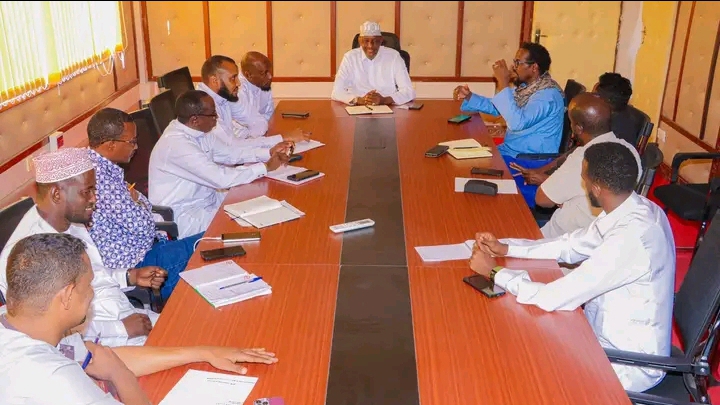




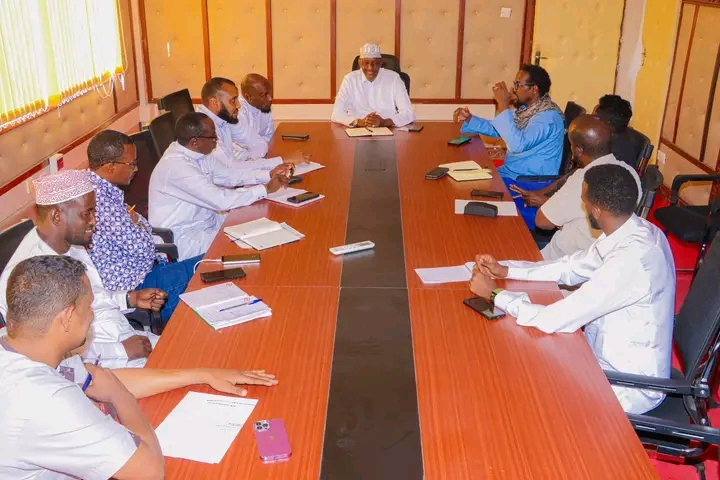

In a significant step toward transforming the livestock sector in Kenya’s arid and semi-arid regions, Wajir County recently welcomed a high-level delegation from Mercy Corps, led by Dr. Diba Waqo, Regional Director of the Cross-Border Regional Livestock Program (RLP).
This ambitious initiative, spanning Kenya, Ethiopia, and Somalia, is designed to enhance livestock production, bolster resilience among pastoralist communities, and foster sustainable economic development through strategic partnerships with county governments and local stakeholders.
Strengthening Livestock Health and Productivity
At the heart of the RLP is a commitment to improving livestock health and productivity through innovative and sustainable practices.
The program aims to scale up routine livestock vaccination and animal health services by leveraging private-sector partnerships.
By collaborating with veterinary service providers and other private entities, Mercy Corps seeks to ensure that pastoralists in Wajir have access to reliable and affordable animal health care, reducing livestock losses due to preventable diseases.
Additionally, the initiative supports local farmers in producing high-quality fodder and feeds to supplement traditional rangeland grazing systems.
This is particularly critical in Wajir, where recurrent droughts and overgrazing have strained natural grazing lands.
By promoting the cultivation of nutritious fodder, the RLP aims to enhance livestock nutrition, improve animal productivity, and reduce dependence on diminishing rangelands.
Promoting Sustainable Rangeland Management
Recognizing the importance of preserving Wajir’s natural resources, the RLP places a strong emphasis on sustainable rangeland management.
The program is working to establish Rangeland Management Committees in selected wards across the county.
These community-led committees will play a pivotal role in regenerating and protecting natural grazing areas, ensuring their long-term viability for pastoralist communities.
Through participatory approaches, the committees will develop and implement rangeland management plans that balance grazing needs with environmental conservation.
This includes measures such as rotational grazing, reseeding degraded areas, and protecting water sources to enhance ecosystem resilience.
By empowering local communities to take ownership of their natural resources, the RLP aims to create a sustainable foundation for livestock production in Wajir.
Unlocking the Economic Potential of Camel Milk
One of the most promising aspects of the RLP is its focus on unlocking the economic potential of camel milk, a valuable commodity in Wajir’s pastoralist economy.
Camels are well-suited to the county’s harsh climatic conditions, and their milk is a nutritious and culturally significant product with growing demand in local and regional markets.
The program is empowering local traders, particularly women and youth, to increase camel milk production, improve value addition, and access broader markets. This includes training on hygienic milk handling, processing techniques, and packaging to meet market standards.
By strengthening the camel milk value chain, the RLP aims to create new income-generating opportunities, enhance livelihoods, and promote economic empowerment for pastoralist communities.
A Collaborative Approach to Development
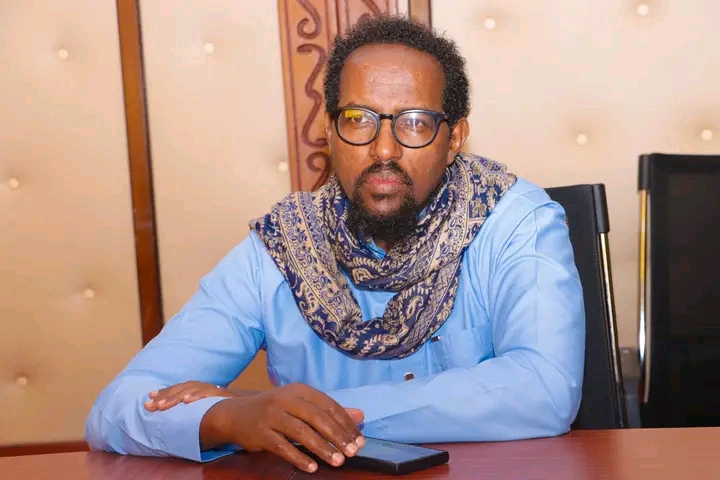
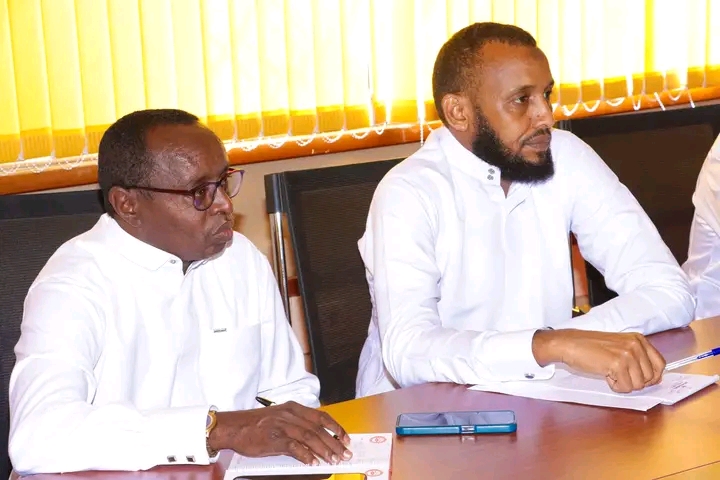
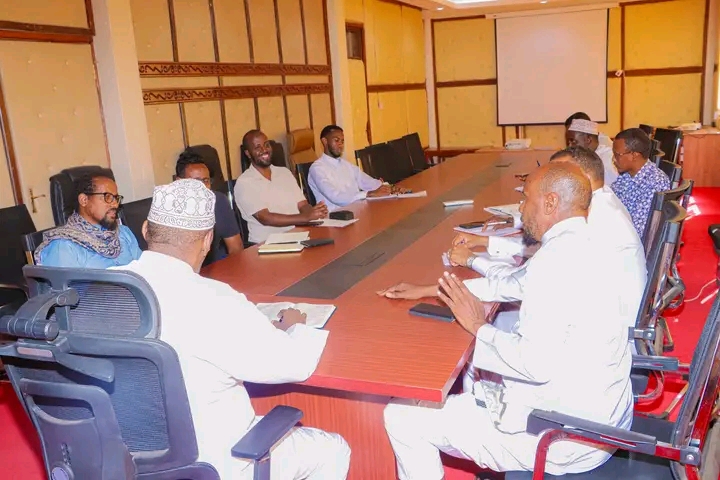
The recent meeting in Wajir, chaired by the County Executive Committee (CEC) Member for Roads and Transport, Hon. Issa Garore, brought together a diverse group of stakeholders committed to the success of the RLP.
Key participants included the CECs for Trade and Cooperatives, the Chief Officer for Lands and Physical Planning, the Director of Partnerships and Donor Coordination, representatives from the County Secretary and Governor’s Office, and members of the Mercy Corps team.
This collaborative engagement reflects a shared vision of strengthening Wajir’s livestock sector, enhancing food security, and promoting sustainable economic development.
By aligning the RLP’s objectives with Wajir County’s development priorities, the partnership aims to deliver tangible benefits for pastoralist communities while building resilience against climate-related challenges.
A Step Toward a Resilient Future
The partnership between Mercy Corps and Wajir County marks a significant milestone in the journey toward a more resilient and prosperous livestock sector.
By addressing critical challenges such as livestock health, rangeland degradation, and market access, the RLP is laying the groundwork for sustainable development in one of Kenya’s most vulnerable regions.
As the program continues to unfold, its success will depend on sustained collaboration between Mercy Corps, Wajir County, private-sector partners, and local communities.
Together, these stakeholders are working to create a brighter future for Wajir’s pastoralists, where thriving livestock systems support resilient livelihoods and vibrant economies.
Share This Post