


In a significant step toward modernizing land administration, Kenya’s Ministry of Lands, Public Works, Housing, and Urban Development has unveiled ambitious plans to digitize land records and overhaul operations at land registries nationwide, starting with the Kiambu Lands office.
The initiative, led by Cabinet Secretary Alice Wahome, aims to eliminate inefficiencies, decongest registries, and enhance service delivery for citizens while addressing longstanding issues of malpractice and revenue loss in land management.
Modernizing Land Registries for Seamless Service Delivery
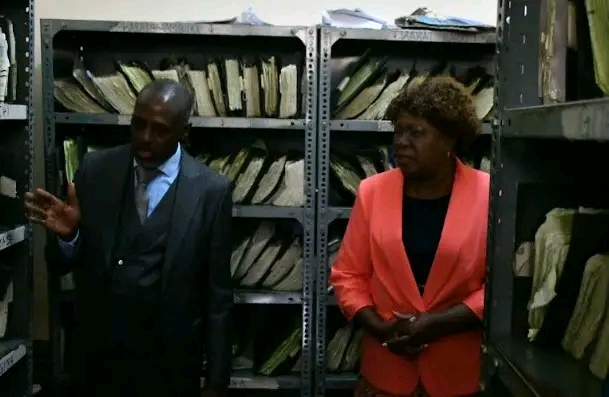
During a recent visit to the Kiambu Lands office, Cabinet Secretary Wahome emphasized the urgent need to transition from outdated manual record-keeping to a fully digitized system.
The move is part of a broader effort to streamline access to land-related services, reduce bureaucratic bottlenecks, and improve transparency in land administration.
“We are committed to making access to services seamless by fully digitizing records and ending manual record-keeping,” Wahome stated. “Our goal is to ensure that Kenyans can easily access land services without the delays and inefficiencies associated with paper-based systems.”
The digitization initiative seeks to address challenges such as lost records, lengthy processing times, and corruption risks that have long plagued land registries.
By creating a centralized, digital database for land records, the ministry aims to improve the accuracy and accessibility of critical information, including land ownership, titles, and transactions.
This shift is expected to benefit property owners, investors, and government agencies by reducing disputes and expediting processes like land transfers and title issuance.
Enhancing Accountability in Land Management
Beyond digitization, Wahome underscored the importance of accountability in land-related processes, particularly in revenue generation, land acquisition, valuation, and registration.
She highlighted the need to close loopholes that have enabled malpractices, such as fraudulent land deals and revenue losses, which have undermined public trust in the system.
“People will have to take personal responsibility for the loss of revenue,” Wahome said. “We need an overhaul in monitoring mechanisms to ensure serious accountability and deliver efficient services for citizens.”
To achieve this, the ministry plans to implement stricter oversight measures and leverage technology to track revenue streams and monitor land transactions.
By integrating digital tools, the government aims to create a transparent system where every step of the land management process is traceable, reducing opportunities for corruption and mismanagement.

Addressing Congestion and Inefficiencies
The Kiambu Lands office, like many others across Kenya, has faced challenges related to overcrowding and slow service delivery, often due to reliance on manual processes.
The digitization effort is expected to decongest registries by enabling online access to services, such as title searches, land transfers, and payment processing.
This will reduce the need for physical visits to land offices, saving time and resources for both citizens and government staff.
Wahome’s announcement aligns with the Kenyan government’s broader digital transformation agenda, which seeks to modernize public services through technology.
By prioritizing the Kiambu Lands office as a pilot for these reforms, the ministry aims to set a precedent for other registries nationwide, with plans to scale up the initiative in the coming years.
Broader Implications for Kenya’s Land Sector
The digitization of land records is poised to have far-reaching implications for Kenya’s land sector, which has historically been a source of contention due to disputes over ownership, fraudulent titles, and inefficiencies.
A digital system could enhance investor confidence by providing a reliable and transparent framework for land transactions, supporting economic growth in sectors like real estate, agriculture, and urban development.
Moreover, the initiative aligns with global trends toward digital land administration, as seen in countries like Rwanda and India, where similar reforms have reduced corruption and improved service delivery.
By adopting best practices and leveraging technology, Kenya aims to position itself as a leader in land governance in the region.
Challenges and the Path Forward
While the digitization plan holds immense promise, its success will depend on overcoming several challenges, including funding constraints, technical capacity, and resistance to change within the land administration system.
Ensuring cybersecurity for the digital database will also be critical to protect sensitive land data from breaches or manipulation.
The ministry has yet to release a detailed timeline or budget for the digitization project, but Wahome’s commitment signals a strong political will to drive the reforms forward.
Stakeholders, including land surveyors, legal professionals, and citizens, will be watching closely to see how the initiative unfolds and whether it delivers on its promise of efficiency and accountability.
In Summing It Up…
The Kenyan government’s push to digitize land records and modernize registries marks a pivotal moment in the country’s efforts to reform its land sector.
By prioritizing technology and accountability, the Ministry of Lands, under Cabinet Secretary Alice Wahome’s leadership, aims to create a more transparent, efficient, and citizen-friendly system.
As the initiative gains momentum, it has the potential to transform how Kenyans interact with land services, paving the way for a more equitable and prosperous future.
Share This Post