
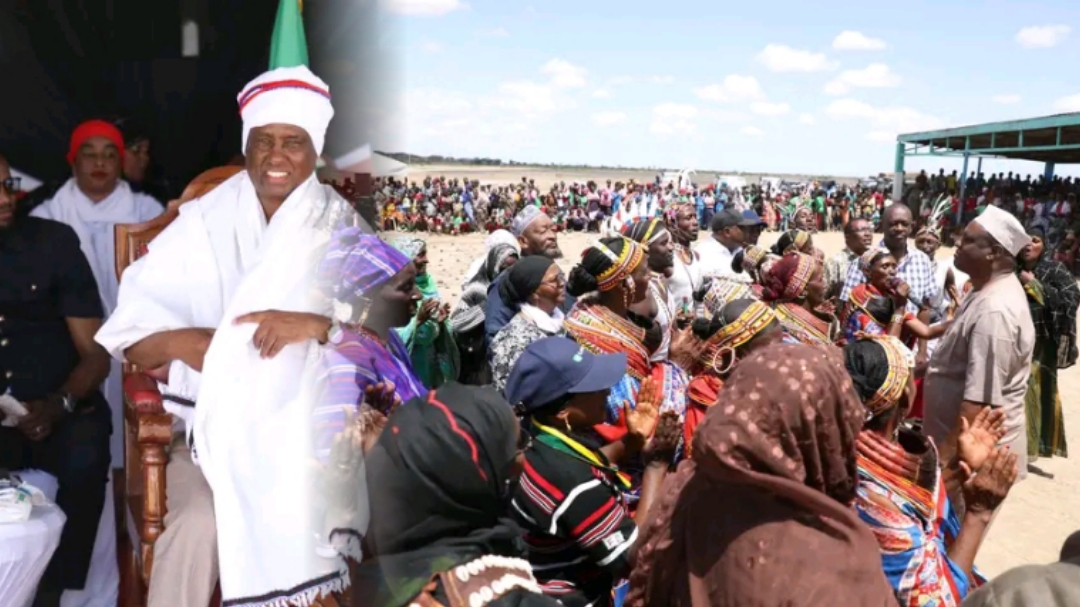

•At the Event, Held in Maikona, Abshiro Highlighted Transformative Achievements During His Tenure

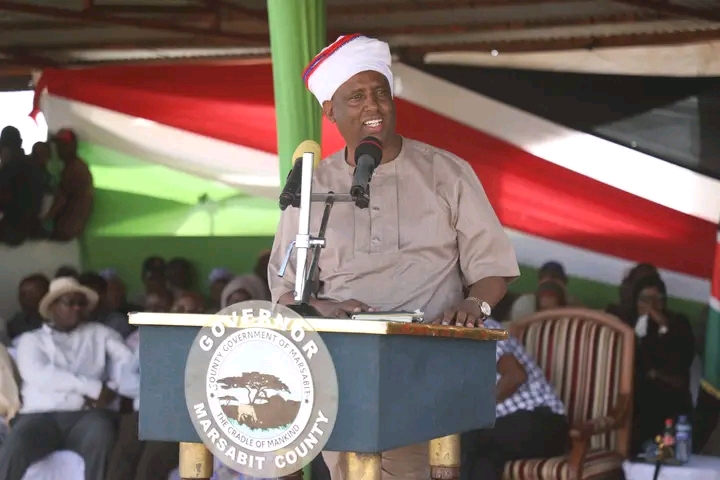
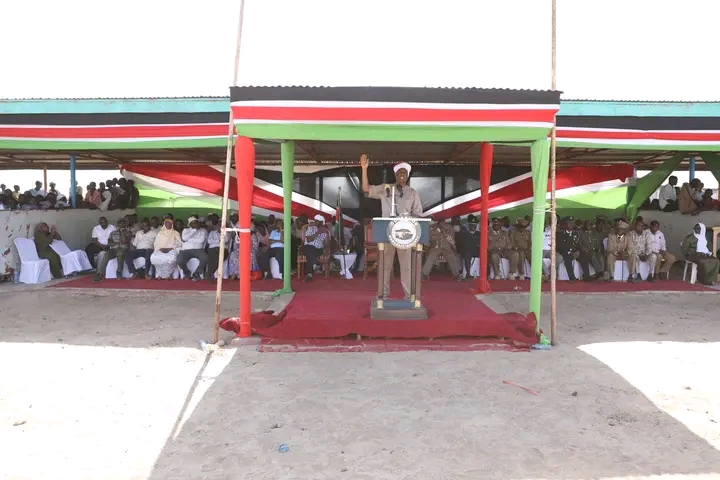

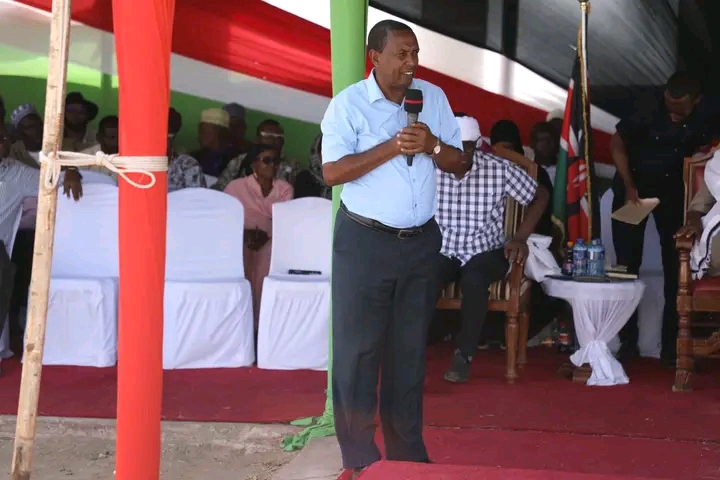

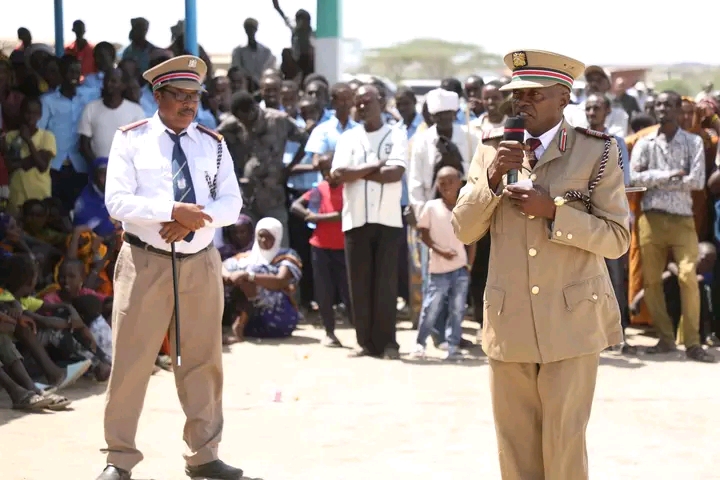
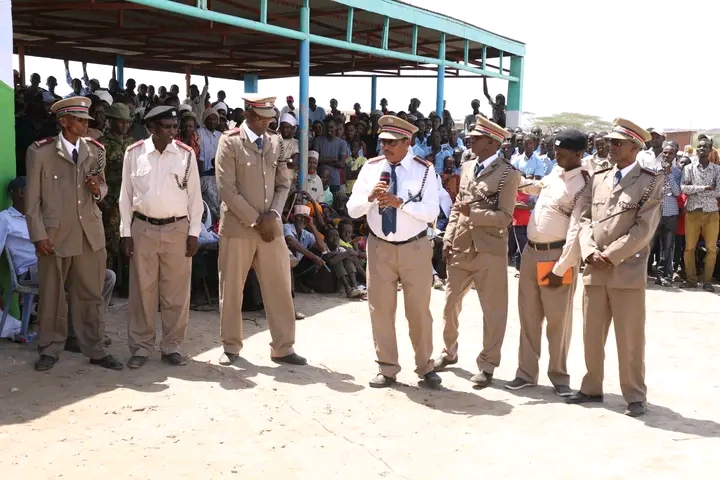

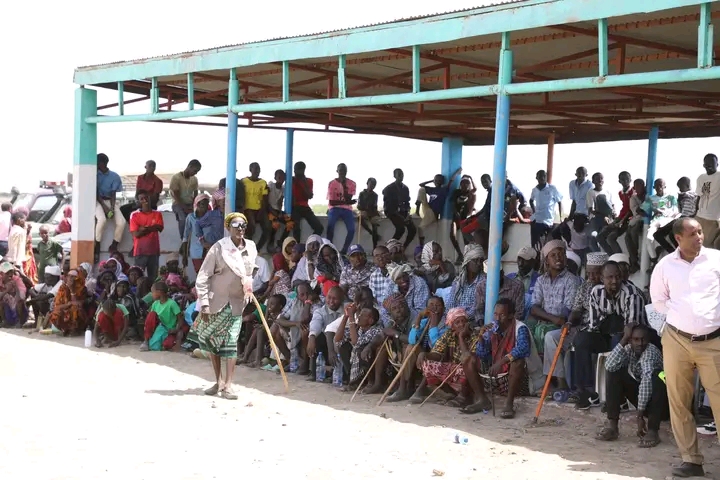
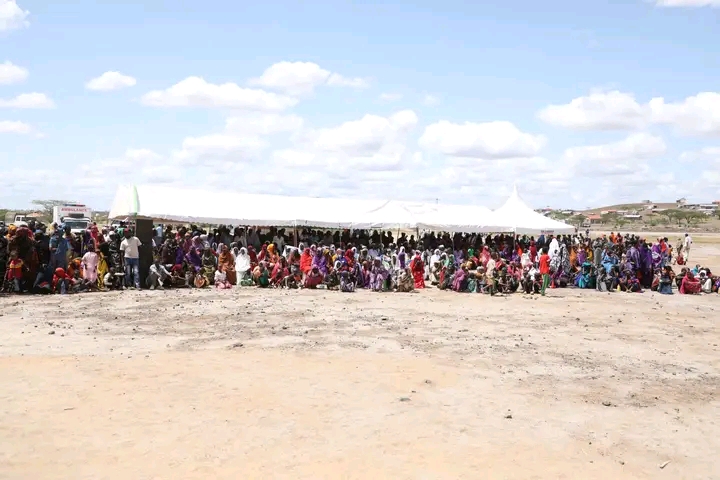
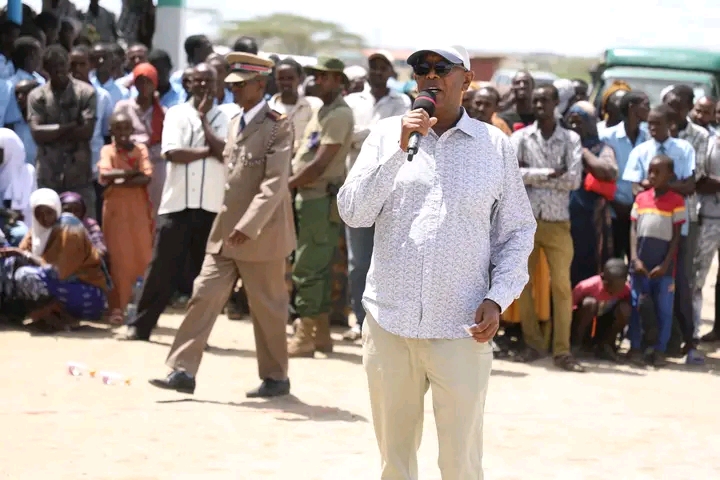
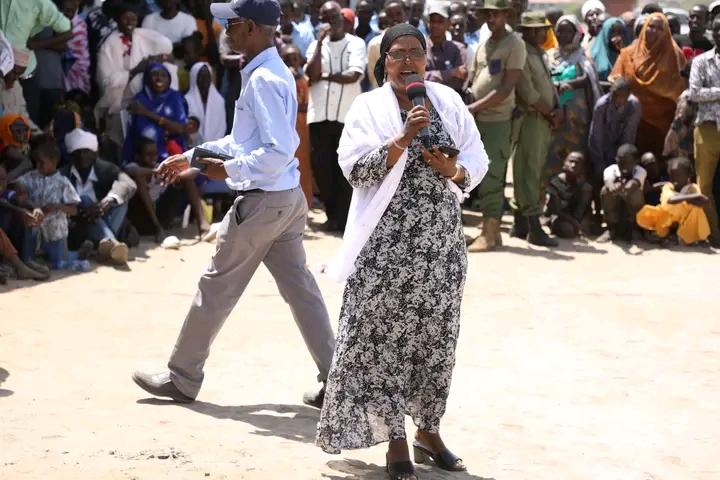

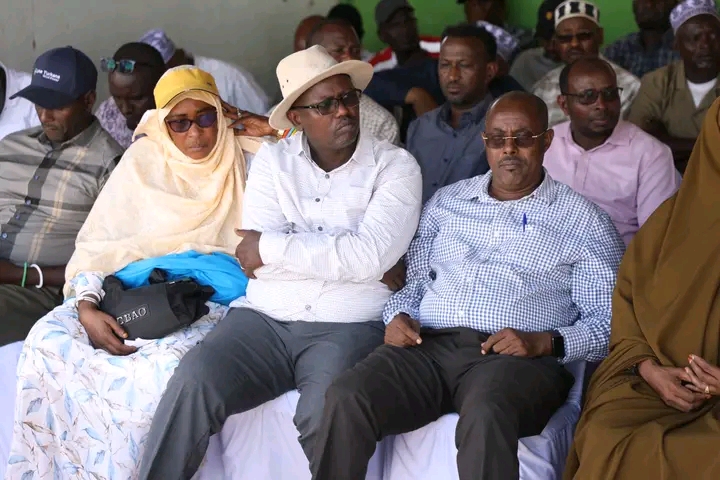

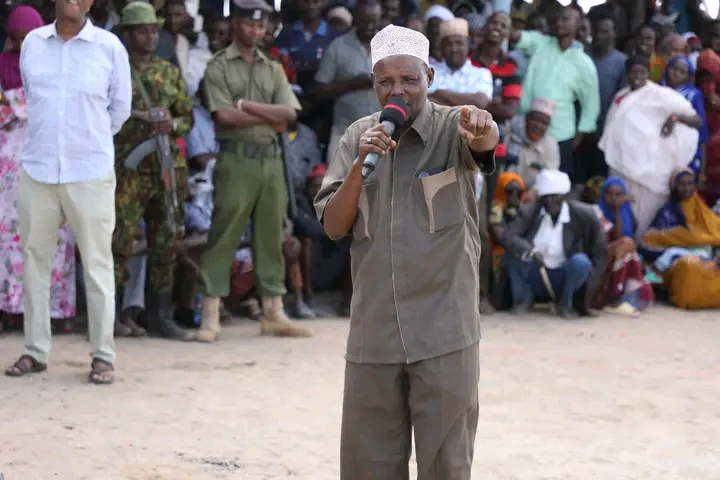

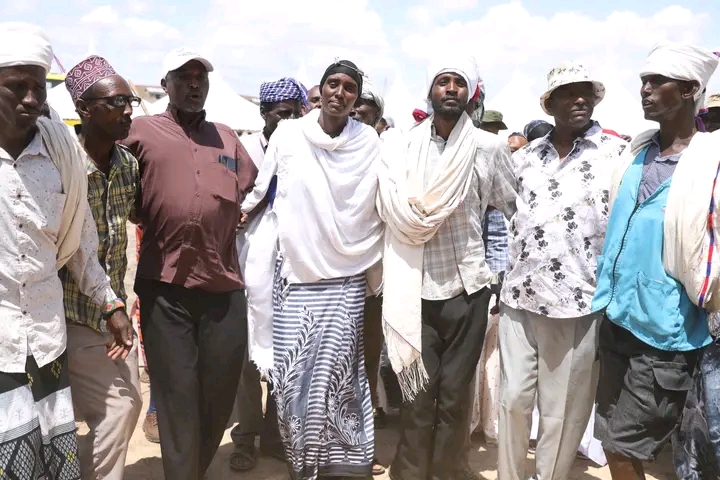
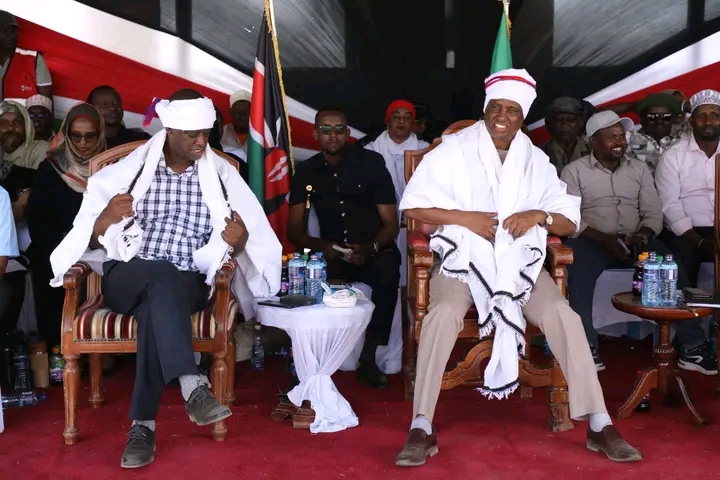
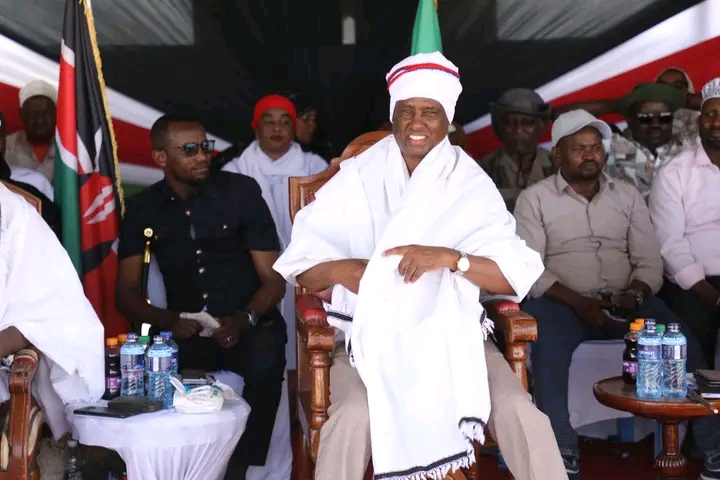
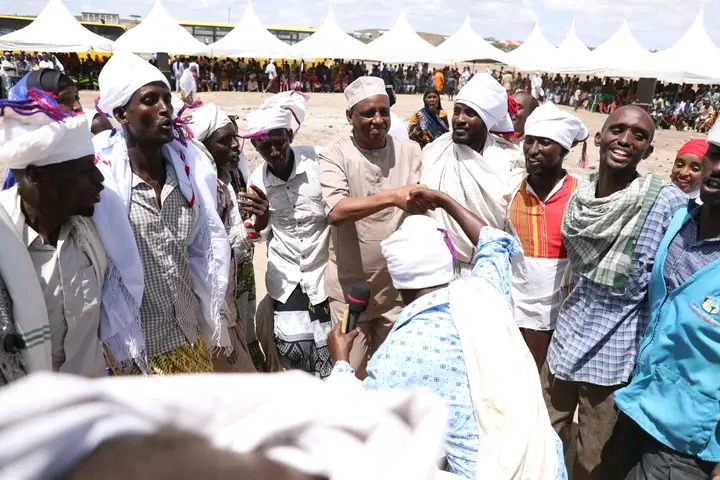





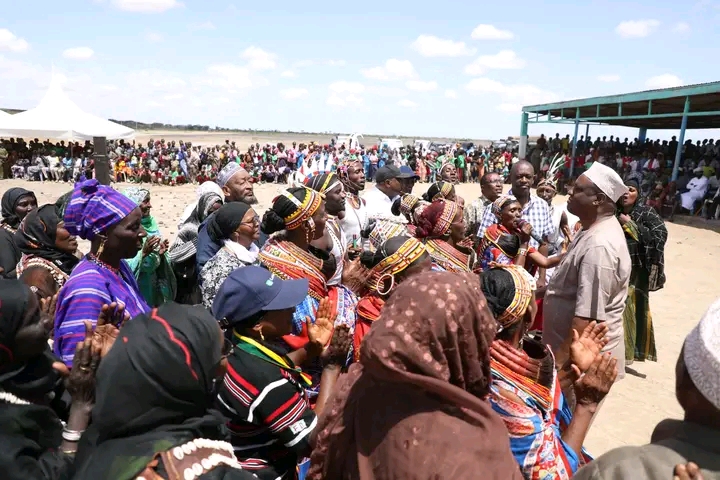
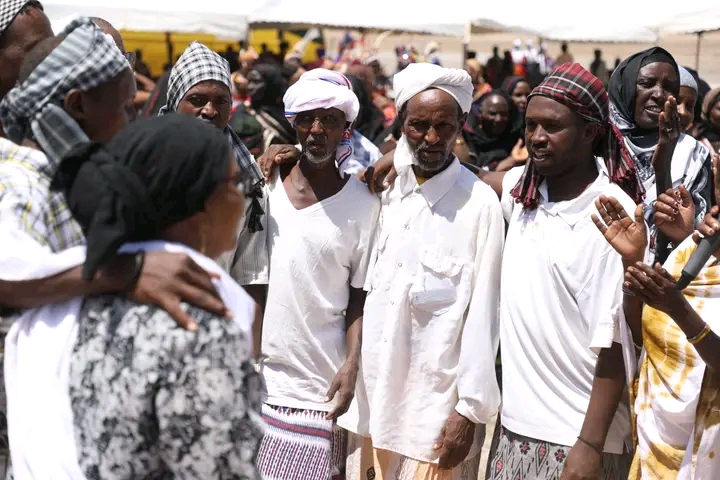
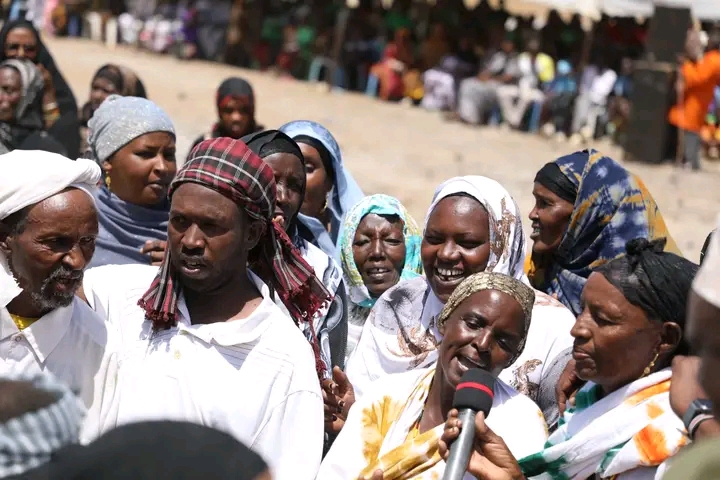
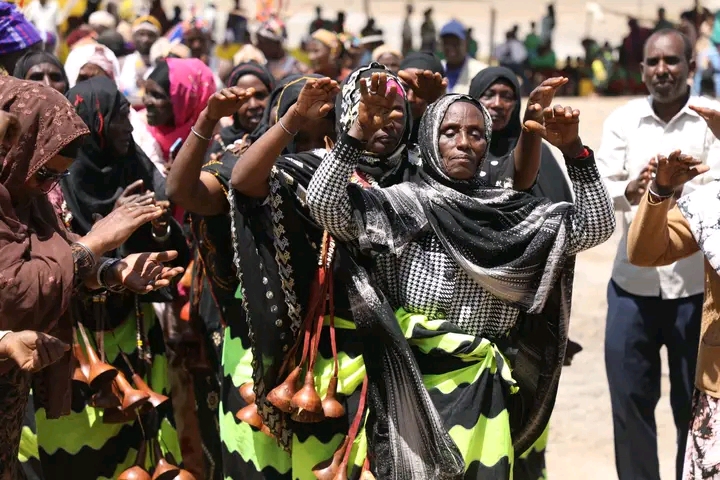
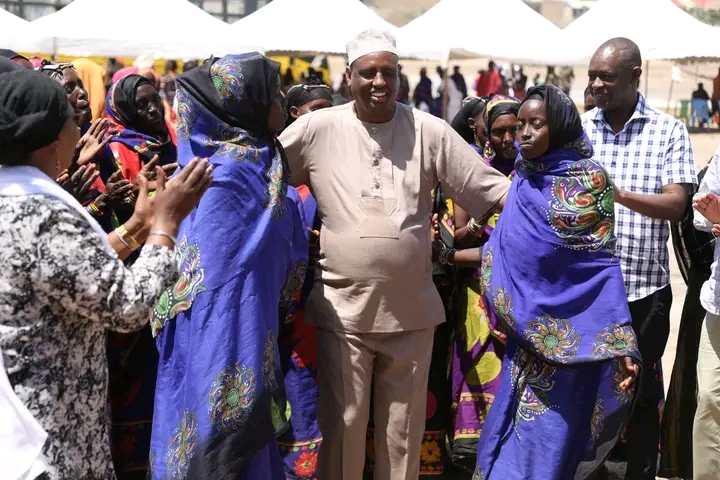
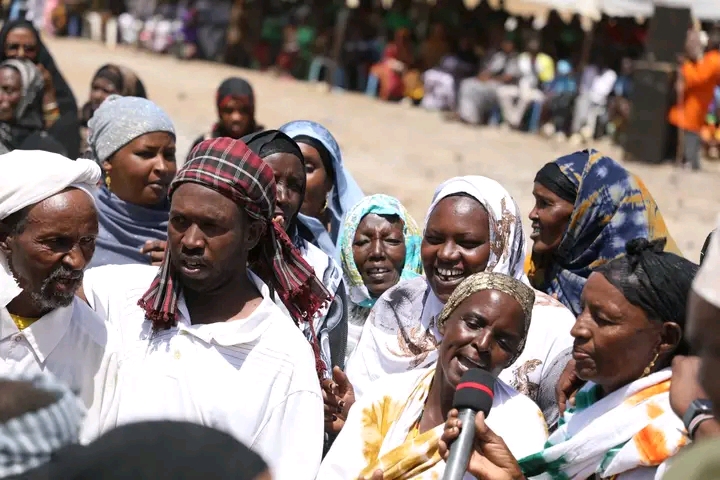
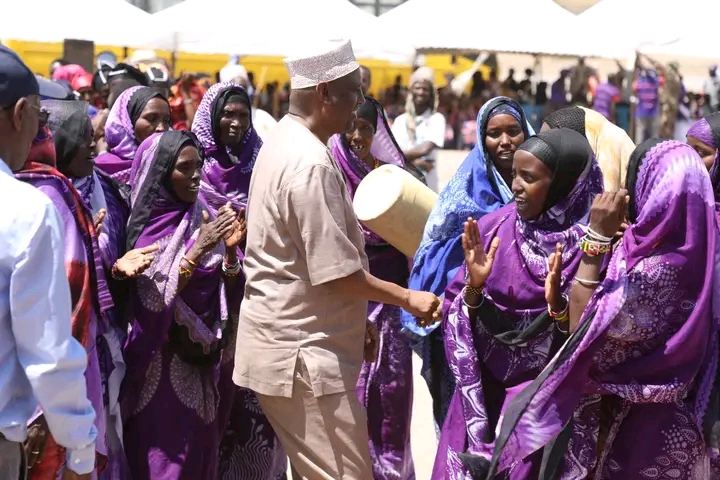
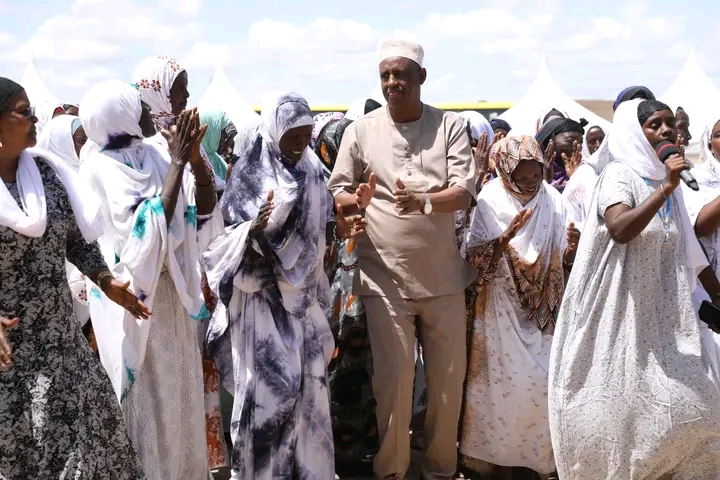


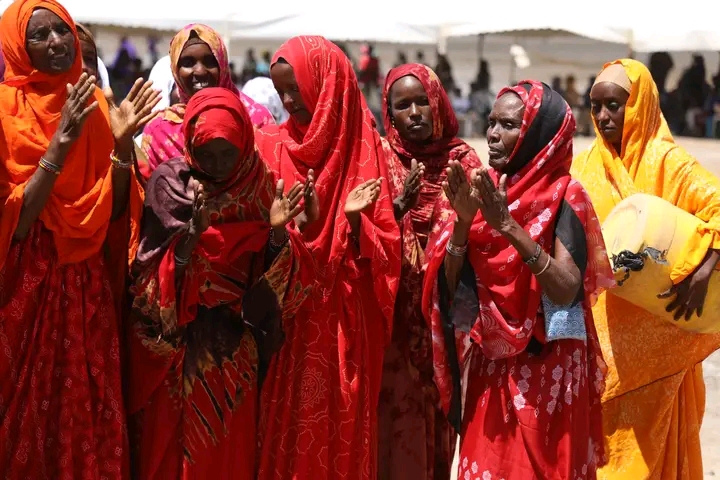

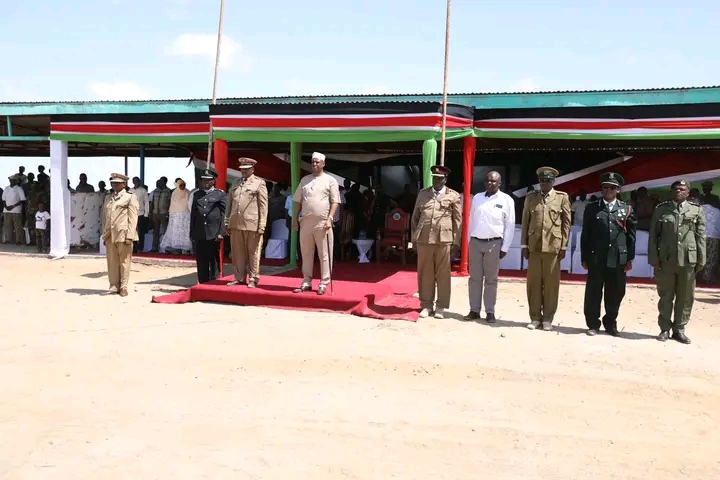

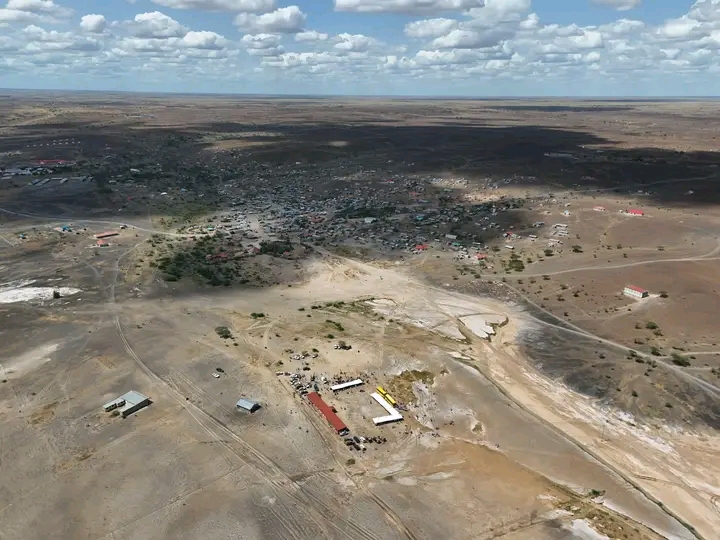
Maikona, Marsabit County| In a vibrant and historic celebration, Marsabit County marked Kenya’s 62nd Madaraka Day on June 1, 2025, in Maikona town, North Horr Constituency.
Governor Mohamud Mohamed Ali, popularly known as Abshiro, delivered an impassioned speech that underscored the county’s progress under devolution, paid tribute to Kenya’s liberation heroes, and called for unity to sustain peace and development.
The event, the first national day celebration hosted by Maikona since Marsabit County’s formation, symbolized inclusivity and the county’s commitment to equitable growth.
A Historic Celebration in Maikona
Governor Abshiro addressed a jubilant crowd, emphasizing the significance of hosting the 62nd Madaraka Day in Maikona.
“Our presence here is not just a change of venue—it is a statement that development and celebration belong to every corner of Marsabit,” he declared. The choice of Maikona, a remote yet vibrant town, underscored the county’s resolve to ensure no region is left behind.
The governor expressed gratitude to the Maikona community for their warm hospitality and unwavering commitment to unity, setting the tone for a celebration that honored both national pride and local progress.
Madaraka Day commemorates June 1, 1963, when Kenya gained internal self-governance, breaking free from colonial rule.
Governor Abshiro described the day as “the heartbeat of our national soul,” a moment to honor the sacrifices of freedom fighters who fought against oppression.
He also paid tribute to Kenya’s five presidents, from Mzee Jomo Kenyatta to President William Ruto, for steering the nation through challenges and progress.
Additionally, he lauded the heroes of Kenya’s Second Liberation, whose efforts led to the 2010 Constitution, a progressive charter that empowered devolution and transformed counties like Marsabit.
Transformative Achievements Under Devolution
Governor Abshiro highlighted Marsabit County’s strides in key sectors, attributing them to the promise of devolution and the collective efforts of residents, the national government, and development partners.
Below is an in-depth look at the county’s achievements over the past year, as outlined by the governor:
Infrastructure Development
Marsabit has prioritized road infrastructure to connect communities and spur economic growth.
In the past year, the county gravelled 101 km of key roads, graded 385 km to all-weather standards, and opened 163 km of new feeder roads to reach isolated areas.
To mitigate flooding, 1,883 meters of concrete drifts and culverts were constructed for stormwater drainage. These efforts have improved accessibility, boosted trade, and enhanced the quality of life for rural communities.
Healthcare Advancements
Since 2017, Marsabit County has made significant strides in healthcare. The administration recruited 905 health workers, including 153 in the past year, to bolster service delivery.
Nine new dispensaries, four maternity units, and four laboratories were constructed, while seven ambulances (four county-funded, three donated) were acquired to enhance emergency response.
The operationalization of referral theatres in Kalacha and Laisamis, staffed with medical officers, has improved access to critical care.
Additionally, the Marsabit campus of the Kenya Medical Training College (KMTC) became fully operational in 2025, enrolling 150 students in nursing, clinical medicine, and other health-related courses.
Education and Youth Empowerment
Education remains a cornerstone of Marsabit’s development agenda. Early Childhood Development Education (ECDE) enrollment rose from 17,778 in 2022 to 25,000 in 2025, driven by the construction of 25 new ECDE classrooms equipped with child-friendly sanitation and kitchens.
The county expanded its school feeding program to provide daily meals to all 25,000 ECDE learners, up from 21,793 the previous year.
Additionally, 70 ECDE teachers were trained in the Competency-Based Curriculum, and all 365 ECDE centers received new learning materials.
To support higher education, Marsabit disbursed over Ksh 650 million in bursaries since 2018, benefiting 6,000 students, including 4,062 in secondary schools.
Vocational Training Centers and youth polytechnics were operationalized to equip young people with skills for employment, fostering economic independence.
Water and Environmental Conservation
Access to clean water has been a priority, with the county drilling seven new boreholes, laying 37 km of water pipelines, and distributing 444 rain harvesting tanks.
Four boreholes were solar-powered, and 20 community water kiosks with prepaid meters were constructed.
The rehabilitation of 50 existing boreholes and the excavation of new water pans have supported livestock and irrigation needs.
In environmental conservation, 26,000 tree seedlings were planted, and 80 community training sessions on climate change adaptation were conducted to promote resilience.
Agriculture, Livestock, and Fisheries
To enhance food security and incomes, Marsabit distributed 30,786 kg of drought-tolerant seeds to 12,100 households and horticultural inputs worth Ksh 33 million to 12,418 families.
Over 150,000 acres of land were put under improved pasture, yielding 50,000 bales of hay. A livestock insurance program enrolled 8,475 herders, covering 37,646 animals with Ksh 128 million in subsidized premiums.
Mass vaccinations protected over one million livestock, while 11 new livestock markets were established to boost trade.
In the fisheries sector, focused on Lake Turkana communities, the county provided 20 motorized fishing boats, two patrol boats, 300 cooler boxes, and two cold-storage hubs in Loiyangalani and Illeret.
Ten solar-powered cold rooms and new fishing gear further supported fishers, leading to a 30% increase in fish production to 1,587 metric tonnes in 2023, with continued growth into 2025.
Land Management and Planning
Marsabit finalized its County Spatial Plan, a blueprint for sustainable land use over the next decade. The plan guides infrastructure development while protecting grazing lands and water catchments.
Nearly 3,000 title deeds were issued to families, securing property rights and reducing land disputes.
New physical development plans for Marsabit town and Moyale were completed to ensure orderly urban growth, with proper zoning for residential, business, and public spaces.
A Call for Peace and Unity
Governor Abshiro emphasized that peace is the foundation of Marsabit’s progress. He noted that the county has enjoyed relative calm over the past three years, thanks to community-led peacebuilding efforts.
“Our children can now go to school without fear, traders can move goods without armed escorts, and families can sleep soundly,” he said.
However, he cautioned that peace is fragile and urged leaders and youth to reject divisive rhetoric and promote unity across Marsabit’s diverse communities, including Borana, Gabra, Rendille, Burji, Garre, Sakhuye, and Turkana.
The governor called on politicians to focus on service delivery rather than incitement and encouraged youth to be ambassadors of peace.
“Our freedom fighters won political freedom; now it is our duty to win economic and social freedom—freedom from poverty, illiteracy, disease, and fear,” he said, rallying residents to work together for a prosperous future.
Gratitude and Vision for the Future
Governor Abshiro expressed gratitude to the national government, development partners, county officials, elders, religious leaders, and women for their roles in Marsabit’s transformation.
He reaffirmed his administration’s commitment to inclusive development, ensuring that every community—from Moyale to Laisamis—benefits from progress.
As Marsabit celebrated its first-ever Madaraka Day in Maikona, the event symbolized hope, unity, and resilience.
Governor Abshiro’s speech not only highlighted tangible achievements but also inspired residents to continue their collective journey toward a brighter, more inclusive future.
In Wrapping Up …
The 62nd Madaraka Day celebrations in Maikona underscored Marsabit County’s remarkable progress under Governor Abshiro’s leadership.
From infrastructure and healthcare to education, water, agriculture, and land management, the county has made significant strides in improving the lives of its people.
As Marsabit looks to the future, the governor’s call for peace, unity, and continued collaboration serves as a powerful reminder of the county’s potential to achieve even greater heights.
Share This Post