


In a transformative move for Saku Constituency, the National Government Constituency Development Fund (NG-CDF) has disbursed Sh55 million in bursaries to support the education of disadvantaged students.
This significant allocation, aimed at secondary school, college, and university learners from underprivileged backgrounds, underscores the Kenya Kwanza government’s commitment to inclusive education and the Bottom-up Economic Transformation Agenda (BETA).
Spearheading this initiative is Saku’s Member of Parliament, Colonel (Rtd) Dido Raso, whose leadership has prioritized transparency, accountability, and equitable access to education.
A Lifeline for Vulnerable Students
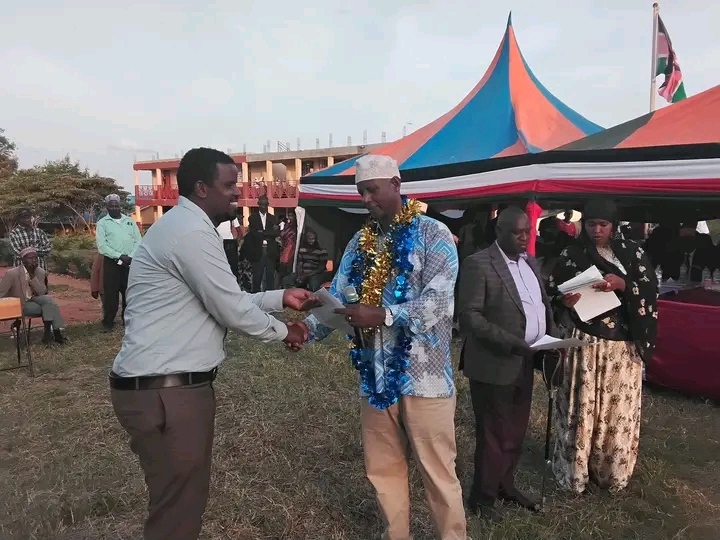
The bursary distribution ceremony, held at ACK St Peter’s Mixed Secondary School in Sagante, Marsabit County, was a testament to the government’s focus on uplifting vulnerable communities.
MP Raso, presiding over the event, emphasized that the funds are designed to ensure no deserving student is denied education due to financial constraints.
“These monies are meant to cater for the tuition of students from poor backgrounds who are in secondary schools, colleges, and universities,” Raso stated, highlighting education’s pivotal role in empowering youth and driving socio-economic progress.
Saku’s pastoralist communities, heavily reliant on livestock rearing, have faced severe challenges due to prolonged droughts exacerbated by climate change.
Raso noted that 80% of the constituency’s student population comes from vulnerable households, making the NG-CDF bursaries a critical intervention.
By alleviating the financial burden of school fees, the initiative enables students to pursue their academic dreams and contribute meaningfully to society.
Ensuring Accountability in Fund Utilization
To safeguard the integrity of the bursary program, Raso has instituted stringent accountability measures.
He directed parents and guardians to personally collect the bursary cheques and submit receipts from their children’s schools to the local NG-CDF office.
This process ensures that funds are used solely for their intended purpose—covering tuition fees—and promotes transparency in the management of public resources.
Raso urged the Saku NG-CDF management to rigorously verify these receipts, reinforcing the government’s commitment to prudent financial stewardship.
“We must ensure every shilling is accounted for and benefits the intended recipients,” he asserted, setting a high standard for fund administration.
NG-CDF: A Catalyst for Development
Beyond education, the NG-CDF has been instrumental in driving holistic development in Saku and across Kenya.
Raso highlighted the fund’s contributions to improving school infrastructure, government offices, roads, and water provision.
A shining example is the establishment of ACK St Peter’s Mixed Secondary School, built from the ground up with NG-CDF support.
Marsabit Central Sub-County Director of Education, Safina Adi, praised the fund for its transformative impact, noting that it has enabled countless students to access quality education.
Raso passionately defended the NG-CDF against calls for its abolition, particularly from some senators advocating for its devolution to county governments.
He argued that counties, despite receiving substantial allocations from the National Treasury, have often underperformed in delivering development.
“The NG-CDF is a lifeline for grassroots development. Scrapping it would derail progress and deny vulnerable communities essential services,” he warned. To secure its future, Raso called for the fund’s entrenchment in the Constitution, urging residents to support this move.
A Broader Vision for Education and Peace
The MP also tied the bursary program to President William Ruto’s broader vision of making quality education accessible to all, regardless of economic background. “Despite global economic challenges, the government has ensured these funds are available to empower disadvantaged learners,” Raso said.
This aligns with BETA’s focus on inclusive growth, ensuring that students from marginalized regions like Saku can compete on an equal footing with their peers from more affluent areas.
Beyond education, Raso addressed the importance of peace in Marsabit County, a region historically plagued by politically instigated ethnic conflicts.
As the vice-chairperson of the National Assembly Administration and Security Committee, he called on residents to safeguard the restored peace and urged security agencies to decisively address inciters of violence.
“Peace is the foundation of development. We cannot afford to let conflicts rob us of progress,” he emphasized.
Community Gratitude and Timely Impact
The bursary disbursement was met with widespread appreciation from parents, residents, and local leaders. Many expressed gratitude for the NG-CDF, which has enabled countless children to remain in school.
Parents noted that the timely release of funds would ensure uninterrupted learning, particularly critical at the start of the academic term.
Safina Adi echoed these sentiments, citing the NG-CDF’s role in establishing schools like ACK St Peter’s as proof of its tangible impact. “This fund has changed lives and given hope to families who could not afford education for their children,” she said.
Looking Ahead
The Sh55 million bursary allocation in Saku Constituency is more than a financial boost—it is a beacon of hope for a region grappling with economic and environmental challenges.
Under MP Dido Raso’s stewardship, the NG-CDF is not only transforming lives through education but also laying the groundwork for sustainable development.
By prioritizing accountability, advocating for the fund’s permanence, and fostering peace, Raso is positioning Saku as a model of grassroots progress.
Share This Post